

How to test the thickness of a carpet?
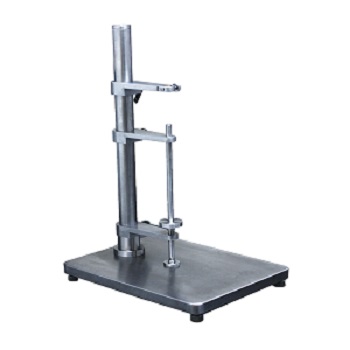
A fully automatic carpet thickness gauge is a device used to measure carpet thickness. It employs advanced sensor technology and an automatic control system to automatically measure and record carpet thickness.
Working Principle
The fully automatic carpet thickness gauge operates primarily based on a high-precision sensor and an automatic control system. The sensor detects the carpet thickness in real time and transmits the data to the control system. The control system processes and analyzes the measurement data according to preset parameters and algorithms, ultimately determining the carpet thickness value.
Scope of Application:
The digital thickness gauge is suitable for various industrial standards across different sectors. The instrument includes a standard universal thickness gauge, to which additional accessories can be added for different needs.
For example, in carpet testing, to measure thickness and compression resilience, the instrument provides an indenter and a set of weights to provide pressures from 2-200 kPa. For nonwoven fabric testing, a different specification indenter is required.
Test results are displayed on a digital indicator that automatically zeros.
The standard thickness gauge can measure samples up to 25 mm thick, providing flexible solutions for different applications. For samples thicker than 25 mm, other thickness gauges can be selected.
The fully automatic carpet thickness gauge is primarily suitable for carpets of various materials, including but not limited to wool carpets, synthetic fiber carpets, and blended carpets. Furthermore, it can also be used to test the compression and elastic recovery of carpets and backings, as well as the thickness measurement of other materials such as nonwoven fabrics, foam materials, and geotextiles.
The fully automatic carpet thickness gauge allows for the adjustment of pressure feet and weights during testing to meet the needs of different testing standards, depending on the material being tested. Furthermore, the instrument is easy to operate and maintain, making it widely applicable in various carpet production and testing settings.
Operating Procedures:
Preparation: Ensure the thickness gauge is in good external condition, all components are securely connected, the display screen is clear, and the battery is fully charged.
Instrument Calibration: Perform zero-point calibration according to the thickness gauge's instruction manual. This typically involves placing the probe on a standard sample of known thickness and adjusting the instrument until the reading on the display matches the thickness of the standard sample.
Selecting Measurement Locations: Select multiple measurement locations on the carpet to ensure representativeness of the results.
Probe Placement: Place the thickness gauge probe stably on the carpet, ensuring close contact between the probe and the surface being measured, avoiding any air gaps.
Data Reading: Observe the readings on the display screen. The readings will change as the probe contacts different locations on the carpet. Record the readings at each measurement location.
Repeated Measurements: To improve measurement accuracy, it is recommended to perform multiple measurements at each location and take the average as the final result.
When using the thickness gauge, avoid collisions with sharp or hard objects to prevent damage to the probe or the instrument. Keep the thickness gauge's casing and probe clean. Regular cleaning ensures that dust, oil, and other impurities do not affect measurement accuracy. Proper storage of the thickness gauge can extend its service life.
Maintenance and Repair
Maintenance Precautions:
1. Calibration Check: Perform regular calibration checks to ensure the thickness gauge's measurement results are accurate and reliable. Use standard samples for calibration, following the manufacturer's provided procedures.
2. Sensor Check: The thickness gauge's sensor is a critical component; ensure its sensitivity and accuracy. Check the sensor surface for cleanliness to prevent dust or dirt from affecting measurements.
3. Battery and Power Supply: If the thickness gauge is battery-powered, check the battery status regularly and replace aged batteries. For other power systems, ensure the power cord connection is secure.
Maintenance Recommendations:
1. Cleaning the Measuring Surface: Clean the thickness gauge's measuring surface regularly to ensure no impurities or dirt affect measurement results. Use a dedicated cleaning agent and a soft cloth for cleaning.
2. Protective Measures: Keep the thickness gauge away from harsh working environments and prevent impacts or vibrations. Use protective kits or housings to prevent damage from external objects.
3. Regular Maintenance Records: Establish a maintenance record for the thickness gauge, recording information such as calibration dates, cleaning dates, and battery replacement dates. This helps track the equipment's maintenance history, allowing for timely identification and resolution of problems.
By following the above maintenance and repair guidelines, you can ensure the thickness gauge operates stably for extended periods, improving the accuracy of measurement results. Please follow the manufacturer's specific maintenance manual and disconnect the power supply before any maintenance or repair operations.
The fully automatic carpet thickness gauge, with its advanced technology, wide applicability, simple operation, and comprehensive maintenance system, has become an indispensable professional device in the field of carpet and related material thickness measurement. It not only provides efficient and accurate solutions for carpet production and testing but also meets the measurement needs of various materials under different testing standards. Strict adherence to operating procedures and proper daily maintenance will ensure the instrument maintains optimal performance, providing a solid guarantee for improving product quality across various industries.