

FAQs about Button sewing machine
A button sewing machine is a specialized sewing device designed for automatic or semi-automatic button attachment. It plays an important role in garment manufacturing, apparel production, and the making of shoes, hats, and bags. For users who are new to this type of equipment or planning to introduce it into production, it is essential to understand its functions, types, operating methods, maintenance practices, and common faults with solutions.
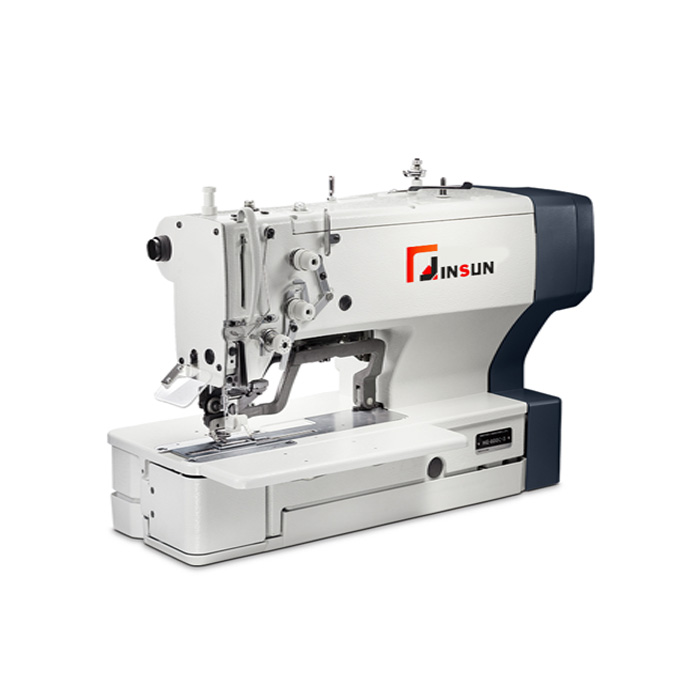
Based on publicly available information, this article addresses the most common user concerns and provides a comprehensive overview of button sewing machines.
1. What Is a Button Sewing Machine?
A button sewing machine, as the name suggests, is a sewing machine specifically designed for attaching buttons. Unlike general-purpose sewing machines, its primary design focus is to securely fix buttons onto fabric and to deliver consistent, efficient stitch patterns. In industrial production, it enables fast, stable, and repeatable button attachment on a large scale.
Button sewing machines can handle common button types such as two-hole and four-hole buttons. With appropriate attachments or adjustments, some models can also sew shank buttons and other special button designs.
These machines are typically equipped with a button clamp or presser mechanism that holds the button firmly in place during sewing. Highly automated models can automatically trim thread ends after sewing, significantly improving productivity and reducing operator workload.
2. What Are the Common Types of Button Sewing Machines?
According to publicly available information, button sewing machines can generally be classified into two main types based on stitch structure and operating principle.
Single-Thread Chain Stitch Button Sewing Machines
Single-thread chain stitch machines use one sewing thread to form a chain stitch structure. Because there is no need for frequent bobbin changes, they offer higher productivity and are widely used in many garment factories.
This type can be further divided into two structural designs:
Needle swing type: the needle swings left and right during sewing while the button clamp remains fixed.
Clamp swing type: the needle moves vertically, while the button clamp swings left and right to create different stitch positions.
These structural differences reflect variations in internal mechanical design. Needle swing machines are often preferred for long-term, high-volume operation due to their stable structure and relatively low noise levels.
Double-Thread Lock Stitch Button Sewing Machines
Double-thread lock stitch machines use two threads to form a lock stitch structure. This type of stitch is very secure, but frequent bobbin replacement reduces efficiency compared with single-thread chain stitch machines.
As a result, lock stitch button sewing machines are less common in standard button attachment processes and are mainly used in applications where specific stitch strength or stricter quality requirements are needed.
3. How Does a Button Sewing Machine Work?
The basic working principle of a button sewing machine is similar to that of a conventional sewing machine, but with greater emphasis on precise button positioning and coordinated stitching.
Button positioning: The operator or an automatic feeding system places the button into the clamp or under the presser, ensuring correct alignment between the button holes and the needle.
Needle and thread movement: The machine controls needle and thread motion to form predefined stitch patterns, such as cross (X-shaped) or parallel (Z-shaped) stitches, firmly attaching the button to the fabric.
Automatic thread finishing: Once the preset number of stitches is completed, the machine automatically secures the thread and cuts it, ensuring a clean and uniform finish.
The entire process can be controlled via a foot pedal, control panel, or programmed settings. Depending on the model, stitch counts such as 8. 12. or 16 stitches and different stitch patterns can be selected to match production requirements.
4. How to Choose the Right Button Sewing Machine?
When selecting a button sewing machine, the following factors should be considered:
Production Requirements
Button size range to be sewn, such as common sizes from 9 mm to 26 mm
Production volume, whether small batches or continuous large-scale output
Required level of automation, such as automatic feeding, automatic thread trimming, and digital control panels
Technical Specifications
Sewing speed, usually expressed as stitches per minute
Electrical compatibility, including voltage and interface requirements
Thread control features, such as automatic tension adjustment and thread trimming mechanisms
Maintenance and Support
Ease of cleaning and routine maintenance
Availability of spare parts and reliable technical support
In addition, total cost of ownership should be considered, including energy consumption, maintenance expenses, and operator training requirements.
5. Safety Precautions When Using a Button Sewing Machine
Safe operation is essential when working with button sewing machines. Key safety precautions include:
Power safety: Always disconnect the power supply before cleaning, maintenance, or part replacement.
Hand protection: Keep hands away from the needle area and moving parts during operation.
Material suitability: Avoid forcing unsuitable or excessively thick materials through the machine.
Proper clothing: Do not wear loose clothing or accessories that could be caught by moving components.
Following these safety practices helps protect operators and reduces the risk of machine damage or accidents.
6. Daily Care and Maintenance Guidelines
Regular maintenance helps extend service life and maintain stable performance:
Cleaning
Regularly remove dust, lint, and thread debris from the sewing area and thread paths.
Keeping internal transmission parts clean can significantly reduce failure rates.
Lubrication
Apply lubricating oil to moving parts as specified in the instruction manual to minimize mechanical wear.
Thread and Needle Inspection
Use high-quality thread and ensure needles are not bent or damaged.
Check and adjust thread tension regularly.
Dust Protection
Cover the machine with a dust cover when not in use to reduce dust accumulation.
7. Common Problems and Basic Solutions
Some typical issues and suggested solutions include:
Uneven Stitches or Inconsistent Thread Tension
Possible causes: incorrect thread tension, improper needle installation, or mismatch between needle and thread
Solutions: adjust tension settings and replace with appropriate needle and thread combinations
Automatic Thread Trimming Failure
Possible cause: lint or thread debris blocking the trimming mechanism
Solution: disconnect power, clean the trimming area, and test again
Increased Machine Noise
Possible causes: insufficient lubrication or dust buildup in moving parts
Solution: clean and lubricate transmission components
Basic inspection and adjustment can often resolve these common issues quickly.
8. Button Sewing Functions on Household Sewing Machines
It is worth noting that some household sewing machines can also sew buttons when equipped with a button sewing foot. This accessory holds the button in place, while the machine uses zigzag or back-and-forth stitches to attach it. This function is particularly useful for hobbyists and home users.
During use, the button must be positioned correctly, and stitch settings should be adjusted to match the button hole spacing.
Overall, a button sewing machine is a specialized sewing solution designed for efficient and consistent button attachment in mass production environments. With automated control systems and dedicated clamping mechanisms, it significantly improves productivity while ensuring uniform sewing quality.
When selecting, operating, and maintaining this equipment, users should carefully consider production needs, technical specifications, safety requirements, and routine maintenance practices. Mastering these fundamentals helps stabilize sewing processes, reduce downtime, and extend machine service life. From simple household button sewing attachments to industrial-scale button sewing systems, the evolution of button sewing technology continues to support the diverse needs of modern garment manufacturing.