

Which fabrics are tested for perspiration fastness?
In the quality evaluation system of textiles, color fastness testing is one of the most critical inspection items. Color fastness indicates the resistance of dyed fabrics to various environmental factors encountered during use, such as washing, light exposure, rubbing, and perspiration. It directly affects product appearance, wearing comfort, durability, and consumer satisfaction. Among these tests, perspiration color fastness (Perspiration Fastness) is a key subcategory, focusing on whether fabrics fade or bleed when exposed to human sweat.
This article provides a systematic and comprehensive interpretation of perspiration color fastness, covering its fundamental concept, testing principles, standard systems, applicable fabrics, and specific textile categories that require testing.
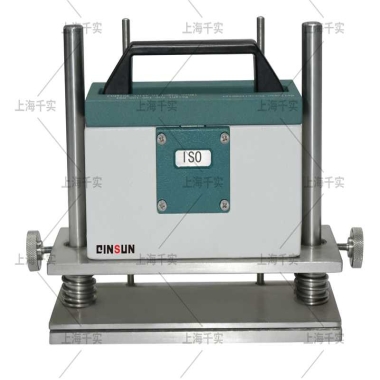
What Is Perspiration Color Fastness?
Perspiration color fastness refers to the ability of a fabric to maintain its original color and resist fading or staining when in contact with human sweat. Since sweat contains salts, acids, alkalis, and various chemical components, prolonged or repeated contact under conditions such as high temperatures, physical activity, and humid climates may lead to dye degradation, fading, or color transfer onto adjacent materials.
The purpose of perspiration color fastness testing is to simulate these real-life exposure conditions and evaluate in advance the fabric’s resistance to color change and staining. The test typically includes both acidic and alkaline perspiration conditions, as human sweat can vary in pH depending on environmental temperature, activity level, and biological factors.
After testing, the color change of the specimen and the degree of staining on adjacent fabrics are assessed using a grading scale, usually ranging from Grade 1 to Grade 5. where a higher grade indicates better color fastness performance.
Standards and Test Methods for Perspiration Color Fastness
Perspiration color fastness testing is governed by several internationally recognized standards, including:
ISO 105-E04: International standard method for testing color fastness to perspiration, applicable to all dyed textile materials.
AATCC 15: Standard method developed by the American Association of Textile Chemists and Colorists, focusing primarily on acidic perspiration.
GB/T 3922-2013: Chinese national standard for color fastness testing to perspiration, technically equivalent to ISO 105-E04.
The standard test procedure involves immersing textile specimens in artificial perspiration solutions, followed by controlled temperature and pressure treatment in contact with adjacent fabrics. After drying, the degree of color change and staining is evaluated. Both acidic and alkaline sweat solutions are typically used to ensure comprehensive performance evaluation under realistic wearing conditions.
Which Fabrics Require Perspiration Color Fastness Testing?
Not all textiles require perspiration color fastness testing. Whether a fabric should be tested mainly depends on its end use, probability of contact with sweat, and quality and safety requirements. The following categories usually require such testing:
Skin-Contact Garments
This is the most critical and common application area for perspiration color fastness testing.
Close-Fitting Apparel
Includes underwear, T-shirts, shirts, and base layers. These garments are in direct and prolonged contact with human skin and are frequently exposed to sweat. Testing is essential to ensure that they do not fade or stain the skin or adjacent garments.
Sportswear and Functional Apparel
Sportswear, fitness clothing, and outdoor performance garments are exposed to intense perspiration, elevated temperatures, and humidity. Therefore, perspiration color fastness is a vital indicator of fabric performance and durability.
Socks, Hats, and Accessories
Although relatively small in size, socks, close-fitting hats, headbands, and similar accessories maintain constant contact with skin and sweat. Poor color fastness in these items can easily result in discoloration and staining.
Fabrics Used in Work and Outdoor Environments
Certain garments, while not strictly intimate apparel, experience frequent contact with sweat during practical use.
Workwear and Protective Clothing: High-temperature and high-intensity labor conditions expose these garments to large amounts of sweat, making perspiration fastness testing necessary.
Military, Police, and Outdoor Equipment Clothing: These garments must maintain stable color performance under harsh environmental and physical conditions.
Special Textile Materials and Fabrics
Dyed Fibers and Blended Fabrics
Perspiration color fastness testing is mainly conducted on dyed textiles. Undyed or natural-color fabrics theoretically pose no color migration risk and are generally excluded. However, in practical quality control, all dyed fabrics are typically tested, including:
Natural fibers: cotton, linen, silk, wool
Synthetic fibers: polyester, nylon, acrylic
Blended fabrics: cotton/polyester blends, wool blends, etc.
The fastness performance of these fabrics varies depending on fiber chemistry, dye type, and dyeing depth. Therefore, test results are crucial for quality control and production optimization.
Why Is Perspiration Color Fastness Testing Necessary?
Prevention of Color Transfer and Skin Staining
Fabrics with insufficient perspiration fastness may transfer dyes to skin or other garments under sweating conditions. This not only affects appearance but may also cause skin discomfort and consumer complaints.
Evaluation of Dye Fixation and Process Stability
Test results help evaluate the effectiveness of dye selection, fixation methods, and finishing processes, providing guidance for process improvement and formulation adjustment.
Compliance with Standards and Market Requirements
Many international standards and brand specifications require perspiration color fastness testing before market entry, especially for intimate apparel and sportswear. Compliance is essential for export and retail acceptance.
Common Fabric Types Frequently Tested
Cotton Fabrics
Cotton is widely used in underwear, T-shirts, and sports garments. Due to its high moisture absorption, cotton fabrics are particularly sensitive to perspiration effects, making them a major testing focus.
Polyester and Other Synthetic Fibers
Synthetic fibers exhibit different dye affinities and chemical behaviors under perspiration conditions. Testing is necessary to verify their performance under acidic and alkaline sweat environments.
Blended Fabrics
Blends present more complex testing challenges, as different fibers respond differently to sweat, potentially leading to uneven fading or staining.
Other Special Fibers
Silk and wool, as protein-based fibers, show unique dyeing behavior, particularly under acidic conditions, requiring careful evaluation.
Situations Where Perspiration Color Fastness Testing May Not Be Necessary
Undyed or Natural-Color Fabrics: With no dyes involved, there is no risk of fading or staining.
Interior Decoration Textiles: Curtains and upholstery fabrics that do not contact human sweat generally do not require this test unless specified by customer requirements.
Perspiration color fastness testing is a critical component of textile quality evaluation. It determines whether garments maintain color stability during actual wear and directly affects consumer satisfaction and product competitiveness. Fabrics that come into frequent contact with sweat—such as intimate apparel, sportswear, functional clothing, and dyed or blended textiles—must undergo strict perspiration fastness testing to ensure compliance with performance and safety standards.
Through systematic testing, manufacturers can better control product quality, optimize production processes, meet international standards, and fulfill market expectations for durability, comfort, and safety.