

How to tell if a rug is flame retardant?
Flame-retardant performance is one of the most important indicators for evaluating carpet safety. Whether used in homes, offices, or public spaces, flame-retardant carpets can significantly reduce fire risks by slowing the spread of flames after ignition and buying valuable time for evacuation and firefighting. Because carpet materials are complex and their combustion behaviors vary widely, determining whether a carpet is flame-retardant requires a comprehensive evaluation based on standardized test methods, regulatory requirements, and labeling information. This article systematically explains multiple ways to assess carpet flame retardancy, including standard tests, label identification, material characteristics, and laboratory testing, to help readers fully understand and identify flame-retardant carpets.
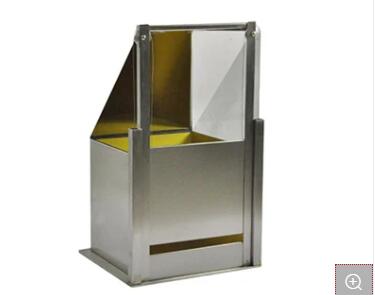
What Is a Flame-Retardant Carpet?
A “flame-retardant carpet” generally refers to a carpet material that is not easily ignited when exposed to a fire source, burns slowly, and can self-extinguish or significantly slow the combustion process once the flame is removed. This does not mean the carpet will never burn, but rather that under specified fire test conditions, its combustion performance meets safety standards and helps reduce the risk of fire spread. Flame retardancy can be achieved in two main ways:
Inherent flame retardancy, which is determined by the chemical or physical properties of the carpet material itself. Some fibers naturally have higher ignition temperatures or self-extinguishing characteristics.
Flame-retardant treatment, which involves chemical impregnation, coating, or processing techniques that enable ordinary fibers to suppress combustion or slow flame spread when exposed to fire.
Because flame retardancy cannot usually be judged by visual inspection alone, only certification or test results obtained through standardized fire testing are authoritative. Therefore, evaluating whether a carpet is flame-retardant requires considering test standards, certification labels, and observed physical behavior together.
Common Flame-Retardant Standards and Test Methods
In the U.S. market, there are specific federal standards governing the flammability of carpets and rugs:
16 CFR Part 1630 applies to large carpets and addresses surface flammability.
16 CFR Part 1631 applies to small rugs with similar testing requirements.
These standards define unified test methods and pass/fail criteria to determine whether a carpet has adequate flame-retardant performance. The general testing process includes preparing multiple standard-sized samples taken from the carpet, conditioning them under controlled humidity, placing each sample in a test chamber, igniting a standard heat source at the center of the sample, and measuring the extent of charring and whether burning stops within a specified time. Under these standards, a carpet is considered compliant if the required number of samples meet the limits on flame spread and char distance.
For carpets that have been flame-retardant treated or made from flame-retardant fibers, regulations require that the letter “T” be clearly indicated on the product label or invoice to help consumers identify compliant products. Products that fail to meet the standard, especially small rugs, must carry a permanent warning label indicating that they are flammable and should not be used near ignition sources.
How to Identify Flame Retardancy Through Labels and Certifications
When purchasing carpets through formal market channels, flame-retardant performance is often indicated through labels or product documentation, which can provide important clues about whether the product has undergone fire testing or flame-retardant treatment.
A label marked with the letter “T” indicates that the carpet or rug has been flame-retardant treated or made from flame-retardant materials under applicable U.S. standards.
Product descriptions or certificates of conformity may include third-party laboratory test reports specifying the applicable fire test standards and indicating that the product has passed. Such documentation is generally more authoritative than labels alone.
Warning labels stating that the product should not be used near sources of ignition usually indicate that the carpet does not meet flame-retardant requirements.
It is important to note that the absence of a label or documentation does not imply that a carpet is flame-retardant. Labels may be incomplete or missing, so additional evaluation methods may be necessary.
Assessing Flame Retardancy Based on Material Characteristics
Although standardized testing provides the most reliable assessment, material properties can offer preliminary insight into flame-retardant potential.
Among natural fibers, wool generally has relatively high inherent flame resistance compared with cotton or linen. Wool has a higher ignition temperature and tends to self-extinguish more easily when exposed to flame. However, even naturally flame-resistant fibers must still be tested to confirm compliance with carpet flammability standards.
Some synthetic fibers, such as polyester and nylon, may exhibit higher ignition temperatures or melting behavior under test conditions. However, not all synthetic fibers are flame-retardant, and certain materials may melt at high temperatures, potentially leading to more hazardous fire behavior.
Carpets treated with chemical flame retardants can show significantly improved flame resistance, but such treatments may degrade over time due to cleaning and use. The durability of the flame-retardant finish is therefore an important consideration for long-term safety.
Because carpets are complex structures composed of fibers, backing materials, and adhesives, material type alone is insufficient to determine flame retardancy. Standard fire test results remain essential.
How Standard Fire Tests Are Conducted
Standard fire tests are typically carried out by professional laboratories in accordance with established protocols.
Multiple test specimens of specified dimensions are cut from the same carpet batch, conditioned under controlled temperature and humidity, and placed in a test apparatus.
A standard ignition source is positioned at the center of each specimen and ignited in a controlled ventilation environment.
Test personnel observe flame spread, smoke generation, and char formation, measuring whether the charred area approaches the sample edges.
The final result is determined based on the maximum allowable char distance and the proportion of samples that meet the criteria. Under U.S. standards, a minimum number of samples must pass for the product to be deemed compliant.
Laboratory testing provides detailed data on burning time, flame spread rate, and char area, offering a reliable basis for safety evaluation and product optimization.
Common Misconceptions
Without standardized testing, some commonly used judgment methods are unreliable.
Relying solely on the word “flame-retardant” printed on a label is insufficient unless the label clearly references a specific standard and is supported by test documentation.
Conducting simple ignition tests at home, such as using a lighter, only reflects localized behavior and cannot represent standardized fire performance. Official fire tests strictly control ignition sources, sample size, test environment, and evaluation criteria, making them irreplaceable.
Importance
Because carpets cover large surface areas and are installed close to the ground in homes and public spaces, their combustion behavior can significantly influence fire risk.
Carpets with poor flame-retardant performance may ignite quickly when exposed to small ignition sources, producing large amounts of heat and smoke that hinder evacuation and increase the risk of injury or death.
Certified flame-retardant carpets are harder to ignite, burn more slowly, and may self-extinguish, thereby reducing risks during fire incidents.
Determining whether a carpet is flame-retardant cannot rely on intuition or simple observation. It requires a comprehensive assessment based on standardized fire testing, labeling and certification information, and material analysis. The most reliable approach remains independent laboratory testing conducted according to recognized regional or international standards, with formal compliance reports issued. Understanding these standards, test methods, and labeling requirements helps consumers make safer purchasing decisions and reminds sellers to comply with regulations and provide accurate, safety-focused product information.