

Sweating Guarded Hotplate,ISO 11092
In the performance evaluation of textiles, apparel, footwear, and functional materials, thermal resistance and water vapor resistance are key indicators used to assess thermal comfort and breathability for the wearer. The Sweating Guarded Hotplate is a laboratory instrument specifically designed to measure heat transfer and moisture resistance properties of materials. It simulates the heat and moisture exchange processes occurring near human skin, enabling the evaluation of fabrics, garment materials, and multilayer composites under both dry and wet conditions. This method is recognized as a fundamental measurement technique in many international standards.
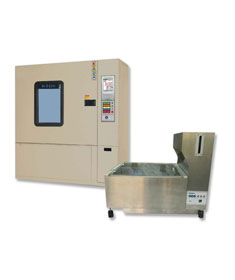
This document provides a comprehensive overview of the scientific basis and practical value of the Sweating Guarded Hotplate, covering its operating principles, structure, technical parameters, test standards, experimental procedures, typical applications, and key considerations.
Basic Concept
The Sweating Guarded Hotplate is a laboratory device used to measure thermal resistance (Rct) and water vapor resistance (Ret) of materials under steady-state conditions. It is sometimes referred to as a “skin model”, as its core testing principle is based on simulating heat and moisture transfer from human skin during sweating.
This instrument is not a simple heat conduction plate. It integrates principles of thermodynamics, heat transfer, material property measurement, and ergonomics into a comprehensive testing platform. Its primary purpose is to evaluate the ability of materials to transfer heat and moisture in conditions that closely resemble the human skin environment.
During testing, the device precisely determines the resistance of textiles or other materials to heat and water vapor flow. These parameters are critically important for comfort and functional design in applications such as clothing, bedding, sportswear, outdoor equipment, and protective garments.
Testing Principle
A Sweating Guarded Hotplate system typically consists of the following main components:
Heated hotplate
Guard plate
Sweating surface or wet membrane
Climate-controlled chamber
Airflow regulation system
These components work together to simulate heat and moisture transfer from human skin under steady-state conditions.
Thermal Resistance Measurement
Thermal resistance (Rct) represents the ability of a material to resist heat flow and is defined as the ratio of temperature difference across the material to the heat flux per unit area.
In Sweating Guarded Hotplate testing, the hotplate is heated to a constant temperature close to that of human skin, typically around 35 °C. The test specimen is placed on the hotplate, and the electrical power required to maintain the set temperature is measured. By combining this power data with environmental conditions and specimen dimensions, the thermal resistance of the material is calculated.
A higher Rct value indicates greater resistance to heat transfer, meaning the material provides better thermal insulation and retains body heat more effectively. Lower Rct values indicate easier heat dissipation. This parameter is essential for evaluating garment insulation and thermal comfort.
Water Vapor Resistance Measurement
Water vapor resistance (Ret) quantifies the difficulty with which water vapor, such as evaporated sweat, passes through a material.
During testing, the hotplate surface is covered with a wet membrane or sweating simulation layer that continuously evaporates moisture, mimicking perspiration from human skin. The specimen is placed on top of this layer, while the guard plate and climate chamber ensure stable test conditions.
As water vapor diffuses through the material, additional heat is consumed to maintain the hotplate at a constant temperature. By recording the required energy input and environmental parameters, the water vapor resistance of the material is calculated.
Lower Ret values indicate better breathability and moisture permeability, which are especially important for sportswear, outdoor apparel, and next-to-skin garments.
Equipment Structure and Key Technical Parameters
The Sweating Guarded Hotplate system includes several critical components, each serving a specific function.
Heated Hotplate
The hotplate is typically made from a material with high thermal conductivity, such as porous bronze. Its surface temperature is usually controlled within a range of 33–36 °C to closely approximate human skin temperature. A high-precision temperature control system with independent sensors ensures stable and accurate temperature regulation.
Guard Plate
The guard plate minimizes edge effects and lateral heat losses, ensuring that heat and moisture transfer occur primarily through the central test area. It is maintained at the same temperature as the hotplate to further reduce measurement errors and improve accuracy.
Climate Control and Airflow Regulation
The entire test system operates within a controlled climate environment, where air temperature, relative humidity, and airflow velocity are precisely regulated. Air velocity is typically adjustable within a range of 0–1.2 m/s to comply with various test standards.
Specimen Size and Thickness Accommodation
Test specimens must be cut to standardized dimensions and mounted to fully cover the hotplate and guard plate. The system can accommodate a wide range of material thicknesses, often from very thin fabrics up to multilayer assemblies several tens of millimeters thick.
Test Standards
The Sweating Guarded Hotplate is specified as the primary test method in several widely recognized international standards:
ISO 11092
Defines methods for measuring thermal resistance and water vapor resistance of textiles under steady-state conditions and is commonly referred to as the sweating guarded hotplate test.
ASTM F1868
Specifies standard test methods for measuring thermal and evaporative resistance of clothing materials using a sweating guarded hotplate.
ASTM D1518
Describes hotplate methods for evaluating thermal and moisture resistance properties of textile materials.
GB/T 11048 and other national standards
The Chinese national standard GB/T 11048 is equivalent to ISO 11092. with similar standards also established in other regions.
These standards define environmental conditions, specimen preparation, test procedures, and data evaluation methods, ensuring comparability and reproducibility across laboratories.
Test Procedure
Specimen Preparation
Before testing, specimens are conditioned under standard atmospheric conditions for approximately 24 hours to ensure consistency. Samples are cut to the required dimensions and securely mounted over the hotplate and guard plate.
Dry Thermal Resistance Test
The specimen is placed on the hotplate, which is stabilized at the set temperature, typically around 35 °C.
The climate chamber is adjusted to specified conditions, such as 20 °C ± 0.5 °C and relative humidity of 40–65%.
Once steady-state conditions are achieved, the electrical power required to maintain the hotplate temperature is recorded.
Thermal resistance (Rct) is calculated based on heat flux, temperature difference, and specimen dimensions.
Evaporative Resistance Test
A wet membrane or sweating simulation layer is applied to the hotplate surface to generate continuous moisture evaporation.
The specimen is placed on top of the wet layer.
Under constant environmental conditions, the power required to maintain the hotplate temperature is measured.
Water vapor resistance (Ret) is calculated from the additional energy required to support evaporation through the material.
Interpretation of Test Results
Thermal Resistance (Rct)
Higher Rct values indicate stronger resistance to heat flow and better insulation performance, making such materials suitable for cold-weather clothing. Lower Rct values indicate easier heat dissipation, which is desirable for lightweight and breathable garments.
Water Vapor Resistance (Ret)
Ret values reflect material breathability. Lower Ret values indicate better moisture vapor transmission and improved sweat evaporation, enhancing comfort in activewear, outdoor apparel, and close-fitting garments.
Evaluating both parameters together provides a comprehensive assessment of thermal and moisture management performance.
Main Application Areas
The Sweating Guarded Hotplate is widely used across multiple industries:
Apparel and Functional Textiles
Thermal resistance and water vapor resistance are essential metrics for evaluating comfort and performance of functional clothing, sportswear, outdoor gear, and protective garments. The test supports informed material selection and design optimization.
Home Textiles and Bedding
Thermal and moisture properties of bedding, blankets, and upholstery fabrics directly influence user comfort. Test results provide scientific guidance for material development.
Building and Insulation Materials
Thermal and moisture transfer data obtained from Sweating Guarded Hotplate testing can support the evaluation of insulation and moisture-control materials used in building applications.
Medical and Rehabilitation Products
In medical and rehabilitation applications, thermal and moisture management of textile components affects patient comfort and care outcomes. Test results serve as key performance indicators.
Test Considerations and Limitations
While the Sweating Guarded Hotplate is a standardized and widely accepted method, several factors must be considered:
Environmental Control Requirements
Thermal resistance and evaporative resistance measurements are highly sensitive to air temperature, humidity, and airflow. Precise and stable environmental control is critical for reliable results.
Strict Specimen Preparation
Sample conditioning, cutting accuracy, mounting method, and positioning must be carefully controlled to minimize measurement variability.
Differences from Real Wearing Conditions
Although the test effectively simulates heat and moisture transfer near human skin, real-life wearing conditions involve dynamic movement and variable environmental factors. Test results should therefore be interpreted in the context of actual use scenarios.
The Sweating Guarded Hotplate is a high-precision instrument designed to measure thermal resistance and water vapor resistance by simulating heat and moisture transfer processes near human skin under steady-state conditions. Its test methods are adopted by major international standards such as ISO 11092. ASTM F1868. and GB/T 11048. making it a key tool for evaluating functional performance in textiles and related industries.
Together, thermal resistance (Rct) and water vapor resistance (Ret) provide critical insight into a material’s thermal and moisture management behavior. When combined with accurate test procedures and controlled environments, the Sweating Guarded Hotplate offers robust, scientifically reliable data for material design, product development, and thermal comfort optimization.