

FAQs About Precision Fiber Microtome
In fiber material testing, microscopic observation, and fiber identification, the Precision Fiber Microtome is an indispensable laboratory instrument. It is designed to cut fiber samples into very thin cross-sections, allowing clear observation of fiber structure, diameter, layered morphology, and staining characteristics under a microscope. Although its mechanical structure is relatively simple, it plays a critical role in fiber analysis.
This FAQ-style overview explains the working principle, applications, operating techniques, common issues, and maintenance considerations of precision fiber microtomes, helping users gain a comprehensive understanding of their use and care.
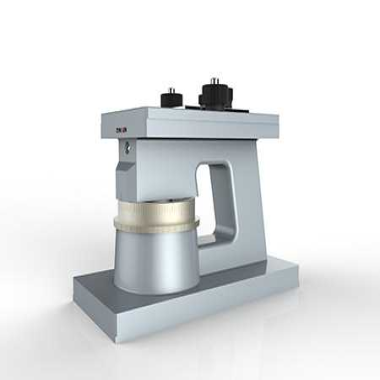
What Is a Precision Fiber Microtome?
Q: What is a precision fiber microtome, and how does it differ from a conventional microtome?
A: A precision fiber microtome is a specialized device used to prepare cross-sectional specimens of fibers. It mechanically compresses bundles of fibers and cuts them into cross-sections of controlled thickness, typically ranging from several tens to several hundreds of micrometers, for microscopic observation and measurement.
Unlike microtomes used in histology or pathology, which are designed to slice biological tissues into extremely thin sections, precision fiber microtomes are mainly used in textile engineering, fiber material analysis, fiber diameter measurement, and fiber identification. They are optimized for handling long, high-strength fibrous materials and producing regular, well-defined cross-sections suitable for evaluating fiber contours, cortex thickness, and medulla presence.
How Does a Precision Fiber Microtome Work?
Q: What is the working principle of a precision fiber microtome, and how does it achieve accurate cutting?
A: The operating principle is based on controlled mechanical cutting combined with micrometer-level positioning. The typical process includes:
Sample preparation: Fiber bundles are cleaned, aligned, and inserted into the sample slot. A solidifying medium may be applied to stabilize the fibers.
Compression and fixation: A pressure plate or screw mechanism compresses the fibers to ensure a uniform and perpendicular cutting surface.
Micrometer adjustment: A micrometer adjustment wheel allows precise control of cutting position or section thickness.
Cutting operation: A blade moves along a guided path to cut the fibers at a controlled depth, producing uniform cross-sections.
By combining firm mechanical fixation with precise depth control, the instrument produces clear and repeatable fiber cross-sections suitable for microscopic analysis.
Why Is a Precision Fiber Microtome Necessary?
Q: Why is a precision fiber microtome required for fiber analysis? Can fibers be observed directly under a microscope?
A: Fibers are naturally elongated, and their cross-sectional geometry and internal structure are essential for accurate material identification. Direct observation of intact fibers rarely provides clear cross-sectional information.
Cross-sections prepared using a precision fiber microtome enable accurate measurement of fiber diameter and reveal structural features such as cortex thickness, medulla structure, and pigment distribution. These characteristics are critical in textile analysis, material characterization, and quality control.
For example, distinguishing between natural and synthetic fibers often relies on cross-sectional shape and internal structure. Properly prepared cross-sections allow reliable observation and measurement under optical or electron microscopes.
What Are the Typical Applications?
Q: In which fields is a precision fiber microtome commonly used?
A: Typical applications include:
Fiber diameter measurement: Accurate determination of fiber cross-sectional size and shape
Fiber identification: Differentiation based on cortex structure, medulla presence, and pigment distribution
Microscopic sample preparation: Producing high-quality cross-sections for optical or electron microscopy
Process monitoring: Evaluating structural changes caused by dyeing, bleaching, or chemical treatments
As fiber cross-sectional structure strongly influences physical properties, precision fiber microtomes are widely used in research institutions, fiber testing laboratories, and textile manufacturing quality-control facilities.
Common Operational Issues
Q: How can uniform cutting be ensured?
A: Uniformity depends on proper sample alignment, sufficient compression of the fiber bundle, and accurate micrometer adjustment. Fibers should be clean, aligned, and free from twisting before insertion. The blade should be advanced slowly and steadily to avoid uneven or damaged sections.
Q: Why does section thickness vary during cutting?
A: Thickness variation may result from:
Incorrect micrometer adjustment
Insufficient compression or sample movement during cutting
Excessive cutting speed causing fiber deformation
Regular inspection of the micrometer calibration and tightening mechanisms helps improve thickness consistency.
Q: How should the cutting thickness be selected?
A: Cutting thickness depends on fiber type, microscope magnification, and analysis objectives:
Thinner sections are preferred for high-magnification structural observation
Thicker sections may be suitable for observing surface features or dye distribution
Typical cutting thickness ranges from several tens to several hundreds of micrometers and should be adjusted according to the specific application.
Maintenance and Care
Q: How should a precision fiber microtome be maintained?
A: Recommended maintenance practices include:
Cleaning the cutting area after use to remove fiber residues and embedding material
Keeping blades sharp and replacing damaged or worn blades
Storing the device in a clean, dry environment to prevent corrosion and mechanical wear
Periodically calibrating the micrometer adjustment to ensure accuracy
Proper maintenance extends equipment lifespan and ensures consistent cutting quality.
Applicable Standards
Q: Are there standards governing the use of precision fiber microtomes?
A: Yes. Fiber cross-section preparation and measurement are often conducted in accordance with international and industry standards, including ISO, ASTM, BS, DIN, and IWTO-related standards. These standards define acceptable preparation methods, thickness ranges, and measurement requirements to ensure consistency and comparability of test results.
Differences from Other Cutting Devices
Q: How does a precision fiber microtome differ from biological microtomes or optical fiber cleavers?
A: Precision fiber microtomes are designed specifically for preparing cross-sections of textile and material fibers for structural analysis.
In contrast, optical fiber cleavers are used in fiber-optic communication to produce flat, clean fiber end faces for splicing or connector preparation. Although both emphasize precision, their purposes, structures, and application fields are fundamentally different.
Safety Considerations
Q: What safety precautions should be observed during operation?
A: Key safety points include:
Avoid direct contact with sharp blades
Keep fingers away from the cutting path during sample fixation
Place the instrument on a stable work surface
Inspect blades regularly and discontinue use if damage is observed
Adhering to safe operating practices reduces the risk of injury and improves experimental success rates.
The precision fiber microtome is a critical instrument for preparing fiber cross-sections used in fiber analysis, microscopic observation, and material identification. By producing sections of controlled thickness, it enables clear, repeatable examination of fiber structures. Proper adjustment of cutting thickness, secure sample fixation, blade sharpness, and routine maintenance are essential for achieving reliable results. Compliance with relevant standards and safety procedures ensures accurate, consistent, and dependable testing outcomes.