

What is the AATCC method for formaldehyde?
Formaldehyde testing in textiles plays a critical role in textile safety assessment. Formaldehyde can cause skin irritation and may pose risks to the respiratory system; therefore, various textile products must undergo rigorous testing to ensure that formaldehyde release or content remains within safe limits. The American Association of Textile Chemists and Colorists (AATCC) has developed several test methods for evaluating formaldehyde release or content in textile materials. This article provides a comprehensive introduction to AATCC formaldehyde testing methods, including background, principles, procedures, applicable materials, evaluation criteria, and comparisons with other standard methods.
Background of AATCC Test Methods
AATCC (American Association of Textile Chemists and Colorists) is an international organization focused on the development of textile standards and testing methods. Its methods are widely recognized in the global textile industry. Established in 1921. AATCC has long been committed to improving textile quality, safety, and sustainability, publishing standardized methods for fiber analysis, colorfastness testing, physical performance evaluation, and chemical residue detection. Formaldehyde testing methods form an important part of this framework, assessing chemical residues in textiles.
During textile production and processing, formaldehyde may be added as a finishing agent to improve wrinkle resistance and fabric stability. This chemical treatment can lead to formaldehyde release, especially under high-temperature and high-humidity conditions. Given formaldehyde’s potential to irritate the skin and cause respiratory issues, many countries and international standards impose strict testing requirements. AATCC provides reliable laboratory methods for evaluating both formaldehyde release and the levels of free and hydrolyzed formaldehyde in textiles.
Currently, the main AATCC formaldehyde test methods include:
AATCC TM112 – Test Method for Formaldehyde Release from Fabric: Sealed Jar
AATCC TM206 – Test Method for Free and Hydrolyzed Formaldehyde: Water Extraction
The following sections provide detailed explanations of these two methods.
Overview of AATCC TM112
Test Method Overview
AATCC TM112 is a standard method for measuring the amount of formaldehyde released from textiles under specific conditions. It is suitable for fabrics that may release formaldehyde, particularly those treated with formaldehyde-based chemical finishes. The method simulates accelerated environmental conditions and measures the amount of volatile formaldehyde released, providing an assessment of fabric formaldehyde emission performance.
Principle
TM112 employs the sealed jar method, where fabric samples are suspended above water in a sealed container and stored at a controlled temperature for a defined period. Formaldehyde vapors released from the fabric are absorbed by the water. The absorbed formaldehyde is then quantified using colorimetric analysis, allowing evaluation of the fabric’s formaldehyde release under the tested conditions.
By controlling temperature and time, this method ensures reproducible and comparable results, suitable for comparative analysis between textile products. Results are typically expressed in micrograms of formaldehyde per gram of fabric.
Scope and Applicable Materials
TM112 is applicable to textiles that may release formaldehyde, including:
Fabrics treated with formaldehyde-based finishing agents
Blended or natural fibers that may release formaldehyde after finishing
Home textiles, apparel, and other materials requiring contact safety assessment
Since formaldehyde release varies between materials, TM112 simulates accelerated storage conditions to compare emission performance, serving as a reference for product safety evaluation.
TM112 Test Procedure
Sample Preparation
Fabric samples are cut to standard dimensions and weighed. Samples should be representative to avoid bias due to structural or dyeing differences.
Test Apparatus Preparation
Equipment typically includes:
Glass sealed jar: Approximately 1 L capacity with a tightly sealing lid
Temperature control device: Oven or water bath for maintaining constant temperature
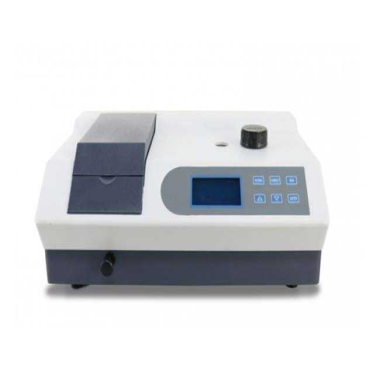
Colorimetric analysis instruments: Spectrophotometer or colorimeter to measure formaldehyde in water
A measured amount of distilled water is added to the sealed jar to serve as the absorption medium.
Sample Placement and Sealing
Weighed fabric samples are suspended above the water surface, ensuring no direct contact. The jar is sealed to prevent air leakage, ensuring that formaldehyde vapors released from the fabric are absorbed by the water.
Controlled Storage
The sealed jar is stored in the temperature-controlled oven or water bath for a specified period. This step simulates accelerated conditions to facilitate formaldehyde release into the water.
Absorption Liquid Analysis
After the test, the water is analyzed using a spectrophotometer or colorimeter. A suitable chromogenic reagent reacts with formaldehyde, and the resulting color intensity is used to determine formaldehyde concentration.
Data Processing and Result Expression
Formaldehyde concentration is converted to release per unit fabric weight, usually expressed as µg/g or mg/kg. Results are compared with regulatory limits or safety standards.
Overview of AATCC TM206
In addition to TM112. AATCC has developed TM206 – Water Extraction Method for Free and Hydrolyzed Formaldehyde, suitable for wettable fabrics that can undergo water extraction. TM206 focuses on the content of free and hydrolyzed formaldehyde in textiles rather than volatile release.
Principle
TM206 uses water extraction combined with colorimetric analysis:
Fabric samples are immersed in deionized water in a closed container.
The test is conducted in a temperature-controlled water bath, allowing formaldehyde to leach into the solution.
Colorimetric analysis measures the extracted formaldehyde content.
TM206 evaluates residual formaldehyde levels in textiles, providing insight into chemical residues within the fabric.
Differences and Connections Between TM112 and TM206
Measurement Targets
TM112: Measures formaldehyde released from fabric under accelerated conditions, reflecting potential exposure risk.
TM206: Measures free and hydrolyzed formaldehyde content within the fabric, reflecting internal residue levels.
Applicable Fabrics
TM112: Suitable for all fabrics that may release formaldehyde.
TM206: Suitable for water-wettable fabrics; cannot be applied to hydrophobic textiles.
Data Significance
TM112: Indicates formaldehyde emission under specific conditions, important for products with high safety requirements (e.g., apparel, baby products).
TM206: Reflects internal formaldehyde content, useful for quality control and process management.
These methods are complementary, providing a comprehensive assessment of formaldehyde safety in textiles. Proper selection avoids unnecessary testing while ensuring reliable evaluation.
Result Interpretation and Standard Requirements
Safety Limit Assessment
Formaldehyde test results must be compared with relevant regulations or industry standards to determine compliance. Examples include:
Oeko-Tex Standard 100 limits on formaldehyde release
National or regional regulations specifying maximum content or emission levels
Exceeding these limits indicates noncompliance with safety requirements.
Colorimetric Analysis Standards
Colorimetric methods quantify formaldehyde based on reagent reaction and color intensity. Absorbance is measured by colorimeter or spectrophotometer, and concentrations are calculated using standard curves.
Units and Reporting
Results are usually expressed in:
µg/g (micrograms per gram of fabric)
mg/kg (equivalent to ppm)
Units should be chosen to match product categories for comparison purposes.
Comparison with International Standards
Other international standards for formaldehyde testing include ISO 14184. which contains:
ISO 14184-1: Water extraction method for free formaldehyde
ISO 14184-2: Steam absorption method for formaldehyde release
These methods are conceptually similar to AATCC TM206 and TM112 but may differ in procedural details. Selection depends on testing purpose, legal requirements, and customer needs. Different methods may yield varying results, so the standard used should always be clearly specified.
Applications and Precautions
Applications
Textile exports often require formaldehyde test reports to meet destination market safety standards.
Baby products, underwear, and close-contact garments prioritize formaldehyde release testing due to direct skin and respiratory exposure.
High-end home textiles and outdoor gear may use formaldehyde testing as part of internal quality control.
Precautions
Samples must be representative and prepared according to standard specifications.
Temperature, time, and other test conditions must strictly follow the standard.
Colorimetric instruments should be regularly calibrated to ensure accuracy.
AATCC formaldehyde test methods provide the textile industry with standardized, scientific approaches to evaluate formaldehyde release and content. TM112 and TM206 offer complementary insights, helping manufacturers, regulators, and consumers ensure product safety, regulatory compliance, and quality control. Selecting the appropriate method should consider testing objectives, product type, and legal requirements to guarantee reliable and meaningful results.