
Tel:+86-21-6780 0179
Fax:+44(0) 207 398 0999
Email:market@qinsun-lab.com
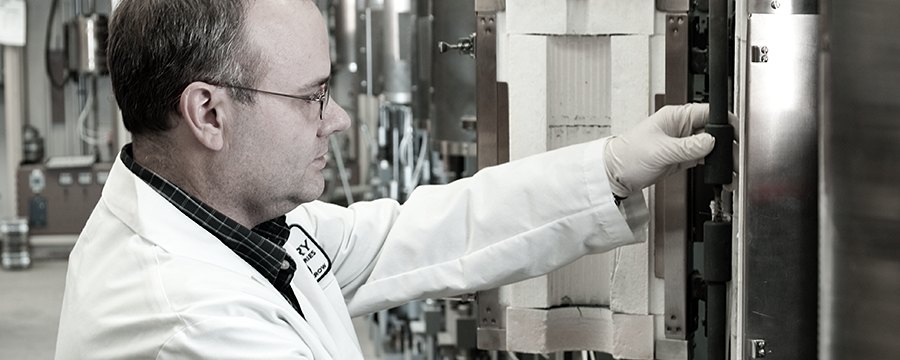
Molten Metal Splash Impact Tester

Projections of molten metal drops at a point on a vertical oriented test specimen and measurement of the number of the drops required to cause a 40 K temperature rise in a sensor behind the specimen.
Application
You can use this tester to determine the impact resistance and protective capability of materials exposed to molten metal splashes. Typical applications include:
(1) Testing protective clothing, gloves, and aprons used in foundries or metal processing industries.
(2) Evaluating thermal insulation panels or shields used in steel mills or metal casting facilities.
(3) Quality control and R&D for high-temperature resistant coatings and fabrics.
(4) Safety certification testing for compliance with international molten metal protection standards.
(5) Material performance comparison for industrial safety evaluations.
Standards
AQ 6103
ISO 9150:1988
CSN EN 348:1992
GB 8965.2:2009
GB/T 17599:1998
Features
Drop guide to collect the drops and to guide them towards the vertically oriented test specimen.
Senor for measuring the temperature linked to a recording device.
Holding frame and counterweights for the test specimen.
Motor speed can be adjust so that the steel rod is fed at the rate of (10 f 1) g/mm.
Needle valves adjust the O2 and acetylene flow rate.
LCD Screen display and control the motor speed.
Technical Parameters
| Size | 700mm (W) X 850mm (H) X 500mm (D) |
| Weight | 42kg |
| Installation requirements | 220V, 50HZ, 5A |
| Environmental Requirements | Temperature (20+2)degree C, Humidity (65+5)% |
| Gas requirements | oxygen, acetylene |
FAQ
(1) What is this product?
It is a tester that measures the resistance of materials to molten metal splashes.
(2) What is this product used for?
It evaluates protective performance for materials used in high-temperature environments, such as foundries and metalworking industries.
(3) How does this product work?
Molten metal droplets are projected onto a vertical specimen, and the sensor behind it measures the number of drops needed to raise the temperature by 40 K.
(4) Why is this product important?
It ensures that protective materials meet safety and performance requirements, reducing risk to personnel.
(5) Which industries is this product suitable for?
Foundries, metal processing, protective clothing manufacturers, industrial safety labs, and R&D facilities.