
Tel:+86-21-6780 0179
Fax:+44(0) 207 398 0999
Email:market@qinsun-lab.com

What is the standard for water penetration test?
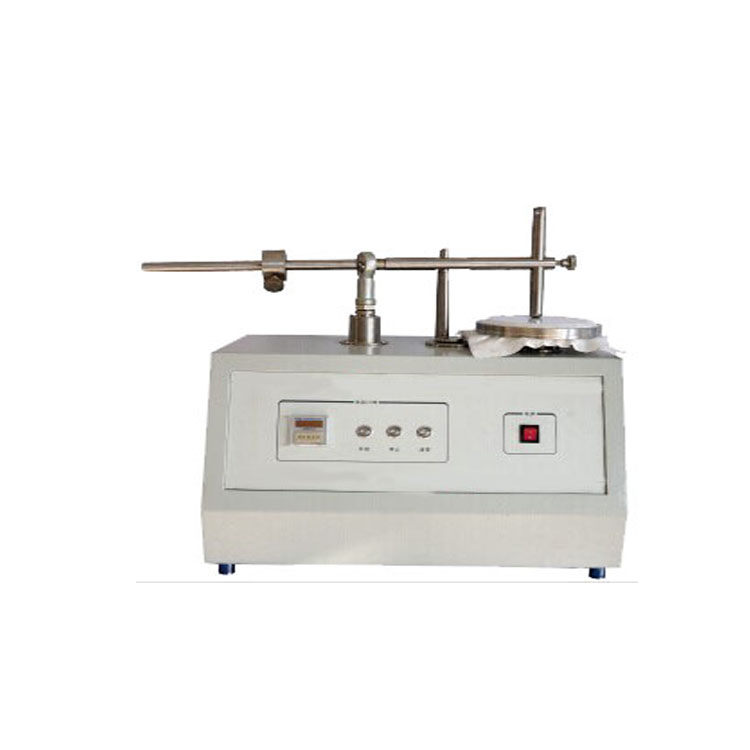
In industries such as manufacturing, construction, textiles, packaging, and materials science, water penetration testing is a core method for evaluating the performance of materials or structures under wet conditions. The test measures the sealing, water resistance, or impermeability of a material by observing if, when, and how water passes through a sample under controlled pressure or impact conditions.
To ensure repeatability and international comparability, water penetration tests follow standardized methods. The International Organization for Standardization (ISO) is one of the most authoritative global bodies that publishes water penetration test standards, which are widely recognized and used internationally.
This document provides a comprehensive overview of water penetration testing standards, including key ISO standards, test principles, methods for different scenarios, international comparisons, and applications in product design and quality control.
Basic Concept of Water Penetration Testing
Water penetration testing involves applying water to a sample or structure in a controlled manner—such as static pressure, impact water flow, or horizontal spraying—and observing whether water penetrates the material or interface. The test typically evaluates:
Whether water penetrates the sample
Conditions under which penetration occurs (pressure, impact, duration, etc.)
Amount or rate of water penetration
Changes in material performance over time
The primary purposes of water penetration testing include verifying design or manufacturing waterproofness, ensuring compliance with standards, supporting product certification, and comparing the water resistance of different materials or processes.
Water penetration tests are commonly applied to:
Textiles (e.g., rainwear, tents, outdoor gear)
Building envelope structures (walls, windows, curtain walls)
Packaging materials (waterproof packaging layers)
Concrete and engineering materials
Protective clothing, medical products, and similar items
Different application areas have specific test methods and acceptance criteria.
ISO Standards for Water Penetration Testing
ISO does not have a single universal standard for water penetration testing. Instead, it defines multiple standards depending on the material type and purpose. Textile-related water penetration standards are among the most established, including:
ISO 811 — Hydrostatic Pressure Test
ISO 811:2018 — Textiles — Determination of resistance to water penetration — Hydrostatic pressure test focuses on evaluating a fabric’s resistance to water under static pressure. This test applies to all fabrics intended to have water-resistant properties, regardless of any prior waterproof or water-repellent treatment.
The method uses a water column to apply gradually increasing vertical pressure, observing when water first penetrates the fabric. Penetration is measured at multiple points, and the hydrostatic pressure at which penetration occurs is recorded. ISO 811 specifies sample preparation, fixture setup, water temperature, pressure application rate, and environmental conditions to ensure repeatable and comparable results.
Typical applications include:
Rainwear, tents, and outdoor equipment
Automotive seat covers and industrial textiles
Protective and medical fabrics requiring liquid barrier performance
By simulating static water pressure, ISO 811 provides critical insight into material performance under hydrostatic conditions, essential for high-waterproof design requirements.
ISO 18695 — Impact Penetration Test
ISO 18695:2007 — Textiles — Determination of resistance to water penetration — Impact penetration test assesses a fabric’s resistance to water penetration under low-impact conditions, simulating rainfall or water droplet impact.
This standard is suitable for all textile fabrics, whether treated for water resistance or not. It is particularly appropriate for medium to loosely woven fabrics, which may be too delicate for more severe tests like the Bundesmann rainfall test.
The procedure involves dropping or spraying water from a defined height onto the fabric, with absorbent paper below to capture any penetrated water. The amount of water absorbed indicates penetration resistance, making it a reliable predictor of performance under rain impact.
Applications include:
Rainwear and outdoor clothing
Composite textile materials
Technical fabrics exposed to precipitation
ISO 18695 and ISO 811 are often used together to provide a comprehensive assessment of both static and dynamic water resistance.
ISO 9073‑17 — Nonwoven Fabrics
For nonwoven materials, ISO 9073‑17:2008 defines a spray-based impact method to measure water penetration resistance. This method simulates real-life water exposure using sprayed water and quantifies the material’s resistance to penetration. It is suitable for nonwoven fabrics with expected water-repellent or waterproof properties.
Test Principles and Conditions
Water penetration test methods vary by standard, but their primary goal is consistent: simulate water exposure and quantify a material’s resistance.
Hydrostatic Pressure Test (ISO 811)
Sample preparation: Specimens are cut to standard dimensions and conditioned under controlled atmospheric conditions.
Fixture and setup: Samples are mounted securely to prevent edge leakage.
Pressure application: Water is applied gradually at a constant rate, using a water column or pressure gauge.
Observation: The pressure at which water first penetrates the fabric is recorded at multiple points, and the average value is reported. Higher values indicate better resistance.
Impact Penetration Test (ISO 18695)
Sample preparation and conditioning: Samples are equilibrated under standard conditions.
Absorbent setup: Standardized absorbent paper is placed below the sample to collect penetrated water.
Water impact: Water is released from a specified height to simulate droplet impact.
Measurement: Water absorbed by the paper is measured, with lower values indicating stronger impact resistance.
These tests provide quantitative measures of material performance under realistic water exposure conditions.
Relationship Between ISO and Other Standards
ISO standards provide a global reference for water penetration testing, but other organizations and regions also have relevant standards:
AATCC standards: US textile testing methods, such as AATCC 127 (hydrostatic pressure) and AATCC 42 (impact penetration), are closely aligned with ISO 811 and ISO 18695.
EN ISO standards: European publications of ISO standards retain the same procedures as the original ISO versions.
National standards: Countries like China, South Korea, and Japan may have national equivalents of ISO standards, often adapted from ISO procedures.
While minor procedural differences exist, these standards are generally comparable and internationally recognized.
Applications in Industry
Water penetration testing is critical for product quality control, performance verification, and certification. Common applications include:
Outdoor and functional apparel: Raincoats, jackets, and winter clothing are evaluated using ISO 811 and ISO 18695 to verify resistance to hydrostatic pressure and rain impact.
Industrial fabrics and technical materials: High-performance tarps, tent fabrics, and industrial filters undergo quantitative evaluation for both static and dynamic water resistance.
Building envelope structures: Walls, windows, and curtain walls are tested for water penetration using dedicated construction standards, but hydrostatic principles from ISO standards provide theoretical support.
Packaging and protective layers: Waterproof packaging is tested under static pressure or penetration simulations to ensure liquid barrier performance.
Water penetration testing standards provide internationally recognized methods for evaluating the water resistance of materials, textiles, and structures. Key ISO standards include:
ISO 811: Hydrostatic pressure testing for static water resistance.
ISO 18695: Impact penetration testing for dynamic water resistance under rain conditions.
ISO 9073‑17: Spray-based testing for nonwoven fabrics.
By rigorously following these standardized tests, manufacturers and researchers can obtain comparable and internationally recognized data, improving product performance, meeting regulatory requirements, and enhancing market competitiveness.