
Tel:+86-21-6780 0179
Fax:+44(0) 207 398 0999
Email:market@qinsun-lab.com
Fastness Rubbing Tester
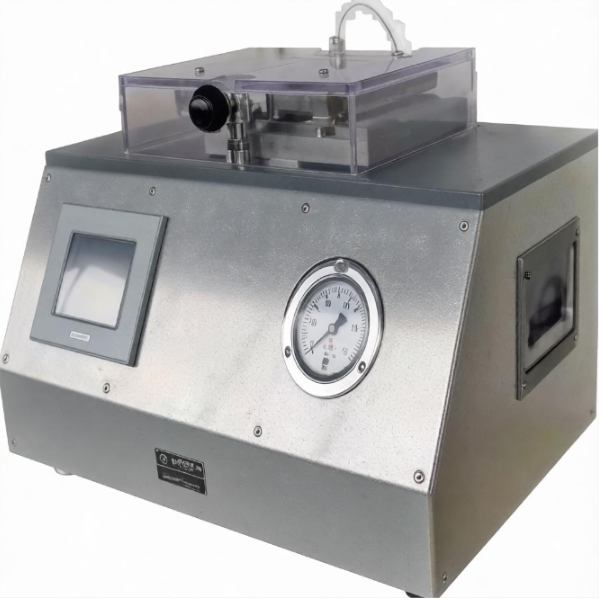
Rubbing fastness refers to the color fading level of colored fabrics after rubbing. Fastness Rubbing Tester is for quick and exact determination of the resistance to rubbing of wet and dry fibers. The excellent properties of the apparatus are based among others upon the fact that the frictional pressure, the way of rubbing, and the contact surface are fixed exactly
Standards
DIN 54021 Testing of colour fastness of textiles; determination of colour fastness of dyeing and prints to rubbing
SNV-standard No. 95831
Application
Fastness rubbing tester is widely used in various industries for determination of rubbing fastness of textiles under dry and wet condition, such as artificial silk, yarn, knitted fabrics, knitted shell fabric, etc. It can be also used for determination of rubbing fastness of printing ink and oil on paper and paper board under dry and wet condition. Fastness rubbing tester is helpful in quality control and enhancement of textile’s service life and utility rate.
Features
The apparatus is beautiful in design, stainless steel structure, anti-corrosion and anti-rust, good stability, connected to a power supply of 220 V A.C., 50 Hz.
Electric mechanic presetting counter, easy for counting test time.
Handles on each side of the instrument for easily handling and moving.
Container for loading test material.
Glass window in the front for test observation.
FAQ
1. What is a Fastness Rubbing Tester used for?
It is used to test the color fastness of textiles against rubbing or friction.
2. What materials can be tested?
It is suitable for fabrics, yarns, leather, printed materials, and dyed textiles.
3. Which standards can it comply with?
It can comply with standards such as AATCC 8. ISO 105-X12. and other related color fastness testing standards.
4. What test results can be obtained?
The tester evaluates dry and wet rubbing color fastness by comparing staining levels on the rubbing cloth.
5. Can the rubbing pressure and test cycles be adjusted?
Yes, the rubbing force, stroke length, and test cycles can be set according to different standards and requirements.
