
Tel:+86-21-6780 0179
Fax:+44(0) 207 398 0999
Email:market@qinsun-lab.com
Rubber rebound resilience elasticity tester
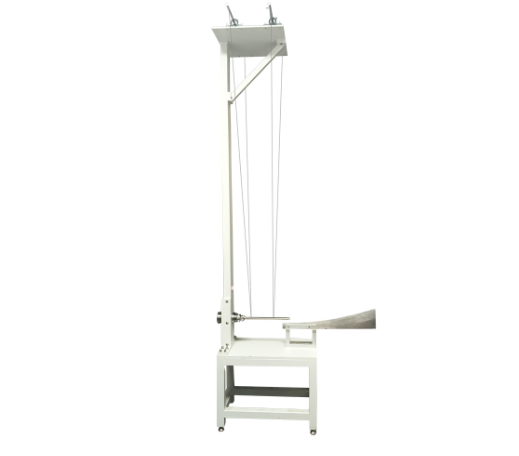
The Rubber Rebound Resilience Elasticity Tester is used to measure the rebound resilience and elasticity of rubber and elastomer materials by determining the rebound height of a specified impact pendulum or mass. It is commonly used to evaluate the elastic recovery and dynamic performance of rubber materials.
Core advantages
Device Structure: column, specimen holder, frame, dropping, impact head, dials.
Rubber elasticity tester / Rubber impact resilience tester is mainly made by the base unit and which can read head impact rebound height device component, wherein the base unit sturdy, heavy impact to support the head and the test piece.
In order to adjust and test equipment inspection, the instrument will be able to stand the impact head and made into a detachable device.
The impact head: impact head is to use four lines hanging in places overhanging diameter 2000mm 12.50 ± 0.05mm, length 356mm, the quality of 0.35 ± 0.01kg iron rods. To fall from the high gravity at 100mm as impact energy, the fight against iron bars to end hemispherical surface.
Dial: In order to directly read resiliency, dial scale values are displayed (resilience straightforward reading scale). Interval scale using the horizontal direction of seeking to retrieve flexibility required conversion table or conversion formula.
Features
Device Structure: column, specimen holder, frame, dropping, impact head, dials.
Rubber elasticity tester / Rubber impact resilience tester is mainly made by the base unit and which can read head impact rebound height device component, wherein the base unit sturdy, heavy impact to support the head and the test piece.
In order to adjust and test equipment inspection, the instrument will be able to stand the impact head and made into a detachable device.
The impact head: impact head is to use four lines hanging in places overhanging diameter 2000mm 12.50 ± 0.05mm, length 356mm, the quality of 0.35 ± 0.01kg iron rods. To fall from the high gravity at 100mm as impact energy, the fight against iron bars to end hemispherical surface.
Dial: In order to directly read resiliency, dial scale values are displayed (resilience straightforward reading scale). Interval scale using the horizontal direction of seeking to retrieve flexibility required conversion table or conversion formula.
Rubber elasticity tester supplier Specifications
Specimen diameter: 29.5mm
Impact head diameter: 12.5mm, length 356mm, weight 350g
The horizontal length scale: 625 (L), 2000 (R) MM
Dropped Length: 2000mm (from front to back 250mm, about 900mm distance
Scale vertical height: 100mm (divided into 100 equal parts)
Drop height: 100mm (vertical)
Volume (about): 117cm × 92cm × 275cm
Weight (approximately): 70kg
FAQ
1.What is a Rubber Rebound Elasticity Tester?
A Rubber Rebound Elasticity Tester is an instrument used to measure the elasticity of rubber materials. It evaluates how much energy is stored and released by the rubber when it undergoes deformation. This helps in determining the material's performance characteristics and suitability for various applications.
2.How does the Rubber Rebound Elasticity Tester work?
The tester typically works by dropping a specified weight from a fixed height onto a rubber sample. The rebound height is then measured. The ratio of the rebound height to the drop height is used to calculate the rebound elasticity, indicating how efficiently the rubber material can return to its original shape after deformation.
3.Why is rebound elasticity important for rubber?
Rebound elasticity is crucial because it affects the performance of rubber in applications like tires, seals, and gaskets. Higher rebound elasticity usually means better energy efficiency and resilience, reducing wear and extending the lifespan of rubber products.
4.What standards are Rubber Rebound Elasticity Testers based on?
Rubber Rebound Elasticity Testers typically adhere to international standards such as ASTM D1054 and ISO 4662. These standards outline the testing procedures and conditions to ensure consistent and reliable results across different materials and testing environments.
5.Who uses Rubber Rebound Elasticity Testers?
These testers are widely used by manufacturers, quality control laboratories, and research institutions involved in rubber production and testing. They are essential for ensuring that rubber products meet specific performance criteria and regulatory standards.
YouTube video introduction:https://www.youtube.com/watch?v=xEVLmLTGXqo