
Tel:+86-21-6780 0179
Fax:+44(0) 207 398 0999
Email:market@qinsun-lab.com

Fully automatic membrane pore size analyzer
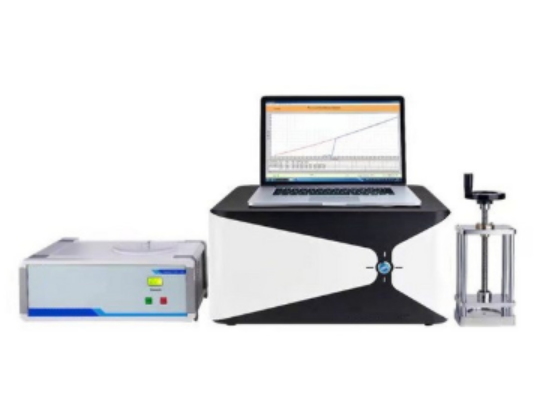
The Fully Automatic Membrane Pore Size Analyzer is a precision testing instrument used to determine the pore size distribution and related pore characteristics of membrane materials. It provides automated testing and analysis for membrane quality control, research, and performance evaluation.
Standards
ASTM316. GB/T32361-2015
Applications:
Scope of use
Suitable for samples of various materials such as polymers, ceramics, glass, metal, paper, cloth and composite materials.
Suitable for polymer membrane, filter paper, sintered metal, foamed metal, wire mesh, sintered felt, porous ceramics, non-woven fabric, fused sand glass and other types of membranes and filter materials.
Suitable for samples of various shapes such as tube type, multi-channel type, sheet type, hollow fiber, capsule type, and folded type.
For special samples, provide reliable testing process and various accessories required, and share our experience in testing various special samples with customers.
Fully automatic membrane pore size analyzer, including micro-filtration membrane pore size analyzer based on capillary flow method (bubble point method), ultra-filtration membrane pore size analyzer based on liquid-liquid replacement method, and multifunctional membrane performance tester, suitable for analysis Pore size distribution of various micro-filtration materials, the testing process is fully automatic and intelligent, and can accurately measure bubble point pressure, maximum pore size, average pore size, most probable pore size, gas flux, gas permeability, pore size distribution, etc
FAQs
1. What is a Fully Automatic Membrane Pore Size Analyzer used for?
It is used to measure membrane pore size and pore size distribution.
2. What types of membranes can be tested?
It can be used for various porous membrane materials, depending on the testing method and instrument configuration.
3. What are the main advantages?
It provides automated operation, accurate measurement, and efficient data analysis.
4. Can it analyze pore size distribution?
Yes, it can determine and analyze the pore size distribution of membrane samples.
5. Where is it commonly used?
It is widely used in membrane manufacturers, laboratories, research institutes, and quality control departments.