
Tel:+86-21-6780 0179
Fax:+44(0) 207 398 0999
Email:market@qinsun-lab.com
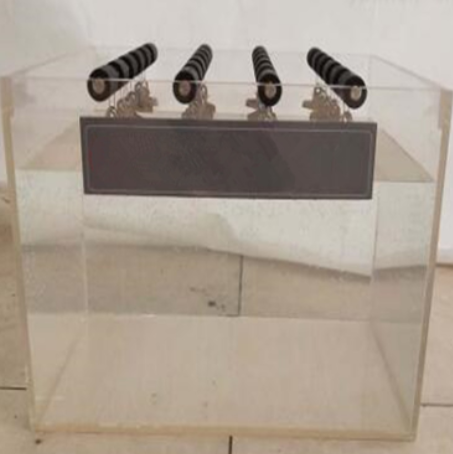
Shoelace anti-siphon tester
Product Introduction
Shoelace anti-siphon tester is suitable for all kinds of waterproof leather, leather, mesh, waterproof shoelace, ribbon waterproof performance.
Anti-siphon
The force phenomenon of the difference in liquid level height is used to draw water from low places to high places. The anti-siphon effect on textiles is similar to the capillary effect. After the fabric touches the water, the water will spread through the fabric and spread to the high places of the fabric.
Waterproof
Refers to the waterproof agent on the surface of the fabric to form a film, so that water can not penetrate the inside of the fabric is called waterproof.
Anti-siphon can be divided into static anti-siphon and dynamic anti-siphon two categories. Static anti-siphoning is to adopt a static suspension method to observe whether the liquid immersed in the fabric has a climbing phenomenon, and the climbing height to assess whether it is qualified.
Sampling requirements
1. Leather, mesh: 76*25MM
2. Shoelaces, webbing: 76* width MM
3. Line type: 76* width MM
4. Samples can be tested at the same time: 20
5. Water level height: 450mm
Test requirements
1. Immersion position: 13MM(0.5 inches)
2. Suspension time: 0.5 hours and 2 hours
Technical Parameters
| Item | Specification |
|---|---|
| Leather/Mesh Sample Size | 76 × 25 mm |
| Shoelace/Webbing Sample Size | 76 × width mm |
| Line-Type Sample Size | 76 × width mm |
| Maximum Number of Samples Tested Simultaneously | 20 |
| Water Level Height | 450 mm |
| Immersion Position | 13 mm |
| Suspension Time | 0.5 hours / 2 hours |
Test Procedures
(1)Secure the upper end of the sample in the clamp on the suspension stand.
(2)Adjust water level to the designated immersion position (13 mm).
(3)Start the test and maintain the sample in a static suspension for the set time (0.5 or 2 hours).
(4)Observe and record the water climb height on the measuring scale.
(5)Compare measured values against standard requirements to assess compliance.
Maintenance Information
(1)Keep water trough clean to prevent contamination affecting measurement.
(2)Check clamps and suspension frame for secure positioning before each test.
(3)Periodically inspect rulers/scales for readability and calibration.
(4)Drain and dry the water bath after testing to prevent corrosion or residue buildup.
(5)Store the instrument in a dry environment to ensure longevity.